


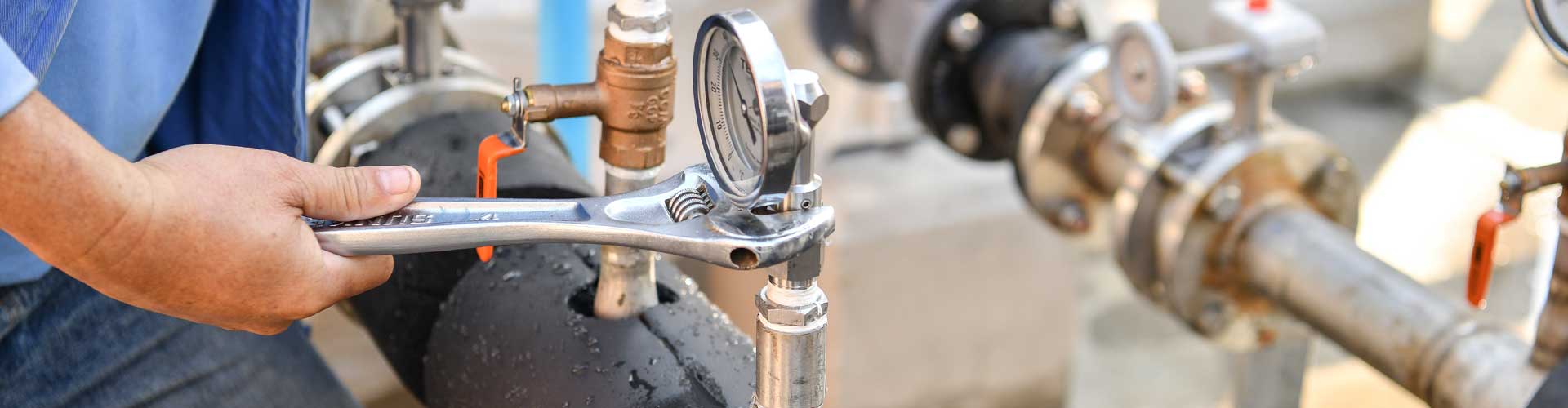
Backflow Prevention Requirements for Fort Smith Businesses
Fort Smith businesses don't get to skip the backflow rules. The city's water supply depends on every commercial property doing its part — and if you're not compliant, you're not just risking fines. You're risking public health, your reputation, and potentially your water service. Backflow prevention isn't optional. It's mandated, monitored, and enforced by the Fort Smith Utility Department.
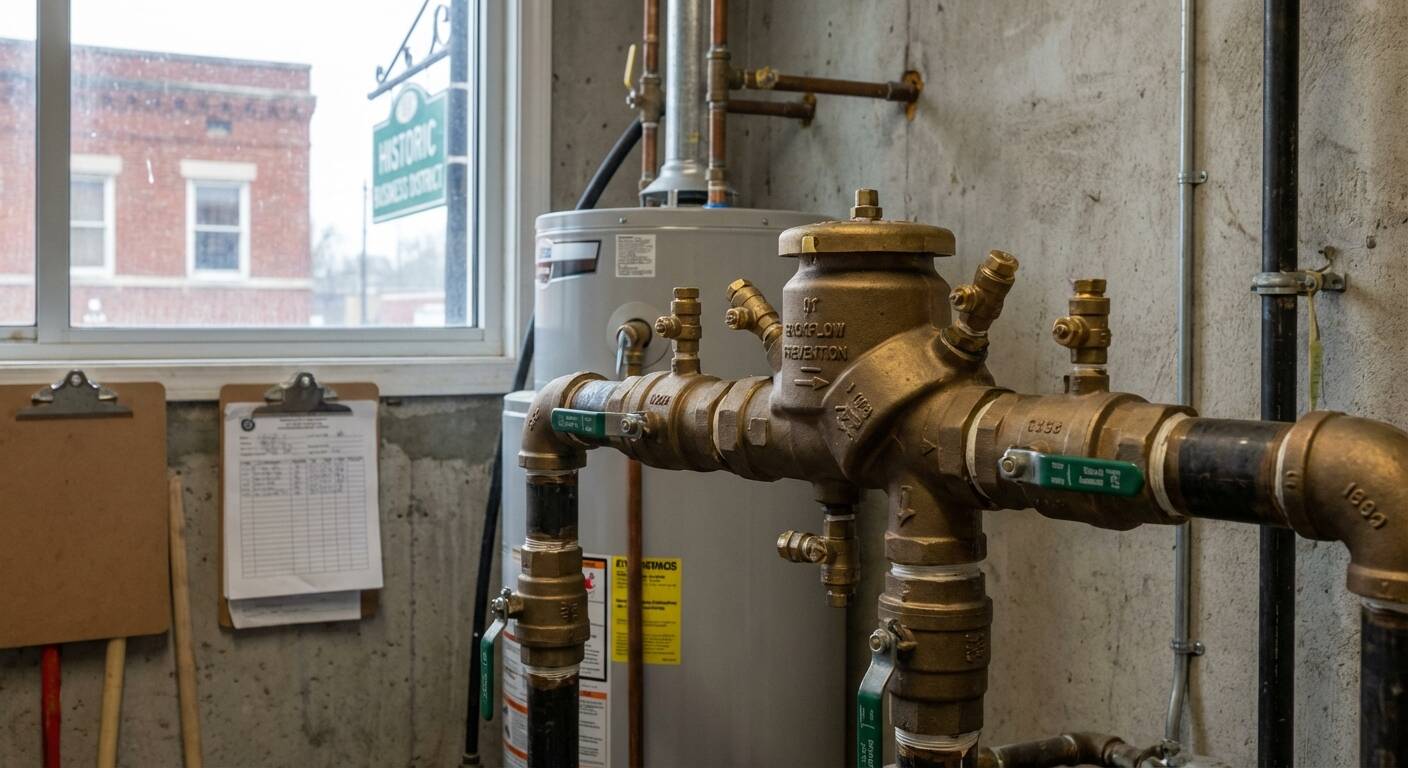
So if you're operating a restaurant, clinic, car wash, or any facility that connects to the municipal water system, you need to know what's required. Because ignorance won't hold up when an inspector shows up or when contamination gets traced back to your property.
Backflow Happens When Pressure Reverses
Most business owners assume water only flows one way. It doesn't. When pressure drops — during a main break, heavy firefighting demand, or even routine system maintenance — water can reverse direction. That's backflow. And when it happens, anything in your pipes can get pulled into the public supply.
Chemicals from a cleaning system. Fertilizer from an irrigation line. Wastewater from a processing facility. The contamination risk is real, and the consequences can spread fast. That's why Fort Smith requires businesses to install devices that physically block reverse flow before it becomes a public health crisis.
The City Sets the Standard
Fort Smith's backflow ordinance isn't a suggestion. It's enforceable law, backed by the Arkansas Department of Health and local utility regulations. Every commercial property must comply based on hazard level, water use, and plumbing configuration. The Utility Department tracks installations, tests, and violations — and they don't let things slide.
If your business connects to city water and uses it for anything beyond basic consumption, you're likely subject to backflow prevention requirements. The specifics depend on what you do and how your system is designed, but the baseline expectation is the same across the board.
What Fort Smith Requires from Commercial Properties
Compliance isn't complicated, but it does require action. Here's what the city expects from every business that falls under the ordinance.
- Install an approved backflow prevention assembly that matches your hazard classification — RPZ, DCVA, or PVB depending on risk level
- Use only devices certified by the Arkansas Department of Health and accepted by Fort Smith's Utility Department
- Ensure installation is performed by a licensed plumber who understands local code
- Register the device with the city so it's on file and trackable
- Position the assembly where it can be accessed for testing and maintenance without disruption
Annual Testing Isn't Negotiable
Once your backflow device is installed, it needs to be tested every year. Not every couple years. Not when you remember. Every twelve months, by a certified backflow tester who knows what to look for and how to document it properly.
The test results get submitted directly to the Fort Smith Utility Department. If your device passes, you're good until the next cycle. If it fails, you've got a limited window to repair or replace it before enforcement kicks in. And if you don't test at all? Expect a notice, a fine, or worse — disconnection.
Repairs and Replacements Can't Wait
A failed test means your backflow preventer isn't doing its job. Maybe a valve is stuck. Maybe a seal degraded. Either way, it's not protecting the water supply, and the city won't let that slide. Repairs must happen immediately, and you'll need to retest once the work is done.
If the device is beyond repair, replace it with an approved unit and get it tested before you're back in service. Cutting corners here doesn't save money — it creates liability. And if contamination occurs while your device was non-functional, you're on the hook.
Documentation Backs Up Everything
Fort Smith expects you to keep records. Not just for your own reference, but because inspectors will ask for them. You need proof of installation, copies of every annual test, receipts for repairs, and any correspondence with certified testers or the Utility Department.
- Signed and dated installation paperwork from your licensed plumber
- Annual test reports submitted to the city with pass or fail status
- Repair invoices showing what was fixed and when
- Replacement records if a new device was installed
- Contact information for your certified tester
Inspections Happen Without Warning
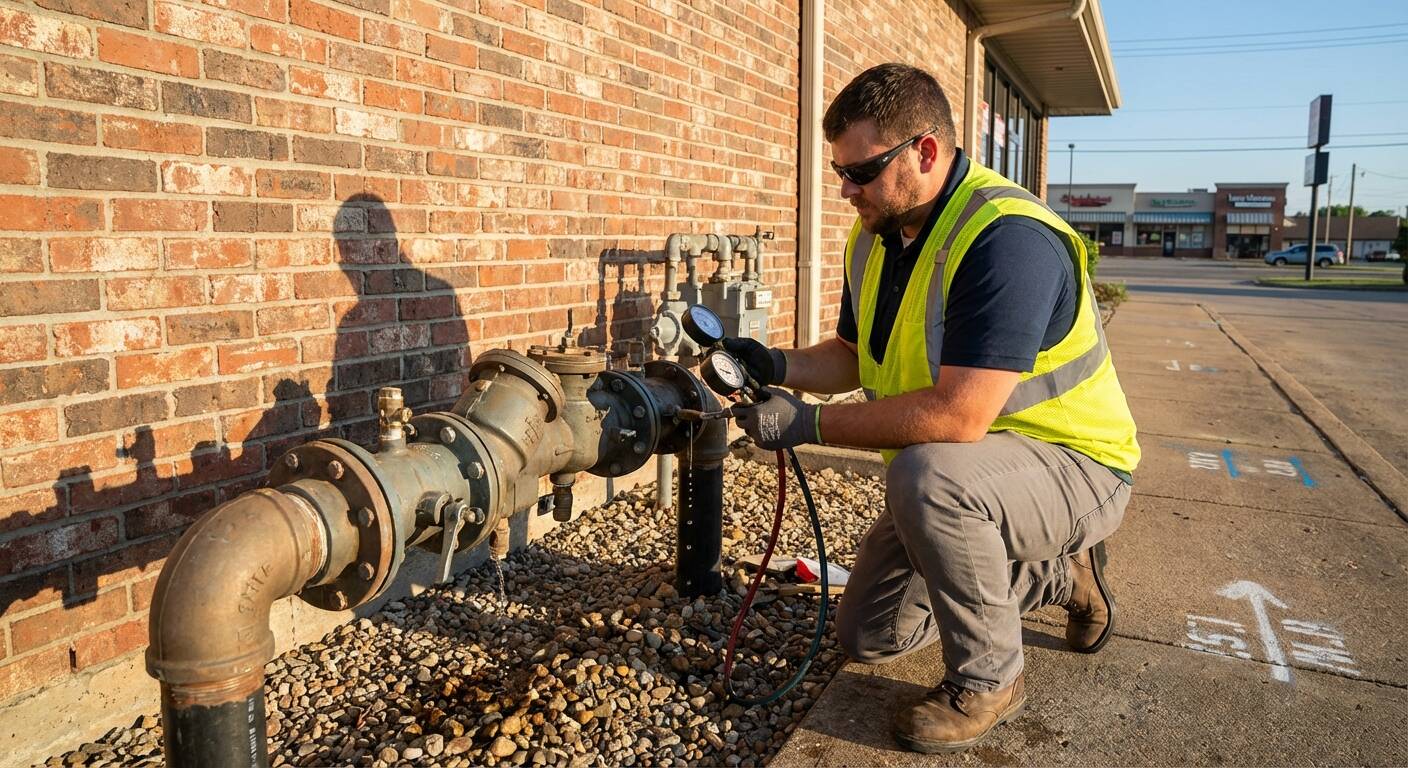
The city conducts compliance checks on commercial properties throughout the year. Sometimes they're scheduled. Often they're not. Inspectors will verify that your backflow device is installed correctly, tested on time, and functioning as required.
If you're out of compliance, you'll get a notice with a deadline to fix it. Miss that deadline, and you're looking at fines or service interruption. The city doesn't play games with water safety, and they won't make exceptions just because you're busy or forgot.
High Hazard Facilities Face Stricter Rules
Not all businesses are treated the same. If your operation involves chemicals, medical waste, food processing, or irrigation systems, you're classified as high hazard. That means more frequent testing, more advanced devices, and closer scrutiny from the Utility Department.
- Medical and dental offices with direct water connections to equipment
- Laboratories handling hazardous or biological materials
- Car washes and detailing shops using chemical injection systems
- Restaurants with carbonation or chemical dispensing lines
- Landscaping companies with fertilizer or pesticide injection setups
Compliance Protects More Than Your Business
Meeting backflow requirements isn't just about avoiding penalties. It's about protecting your employees, your customers, and the entire Fort Smith community. One contamination event can trigger a boil order, a health investigation, and a PR nightmare that follows your business for years.
Beyond that, compliance keeps your water service active. The city has the authority to shut off your connection if you're non-compliant, and getting it turned back on requires proof that the issue is resolved. That's downtime you can't afford and a headache you don't need.
How to Stay Ahead of the Requirements
Backflow compliance isn't hard if you build it into your operations. Work with professionals who know the local rules, keep your testing schedule on the calendar, and respond fast when issues come up.
- Hire a licensed plumber familiar with Fort Smith's backflow ordinance for installation and repairs
- Schedule your annual test at the same time every year so it becomes routine
- Keep a compliance folder with all records in one place for easy access during inspections
- Monitor updates from the Fort Smith Utility Department in case requirements change
- Address any failed tests or repair needs within days, not weeks
When to Bring in a Specialist
If your facility has multiple water connections, complex plumbing, or high-hazard classifications, don't try to manage compliance on your own. A certified backflow prevention specialist can assess your system, recommend the right devices, handle testing, and keep you on track with the city's requirements.
They'll also catch issues before they become violations. That's worth the investment, especially if your business depends on uninterrupted water access or operates in a regulated industry where contamination could trigger shutdowns or lawsuits. System inspections conducted by qualified professionals help identify potential problems before they escalate into costly violations.
Fort Smith Doesn't Bend on Water Safety
Backflow prevention is non-negotiable in Fort Smith. The rules exist because contamination is preventable, and the city holds businesses accountable for doing their part. Install the right device, test it every year, fix problems fast, and keep your records clean. That's the standard, and it's enforced.
If you're unsure where you stand or need help getting compliant, contact the Fort Smith Utility Department or a certified backflow tester. The city's water supply depends on every connection being protected — and your business depends on staying in good standing. For comprehensive commercial repair and maintenance services, working with experienced plumbing professionals ensures your facility meets all regulatory requirements.
Let’s Safeguard Your Water Supply Together
Staying ahead of Fort Smith’s backflow prevention requirements is easier when you have a trusted team on your side. We’re committed to helping local businesses protect their water, avoid costly disruptions, and maintain full compliance year-round. If you’re ready to make backflow compliance simple, give us a call at 479-222-1064 or schedule an appointment and let’s get your business set up for worry-free inspections.
‹ Back
Recent Posts
-
Should You Add a Water Softener to Your Fort Smith Home?
April 1, 2026
-
Backflow Prevention Requirements for Fort Smith Businesses
March 18, 2026
-
-
Is a Tankless Water Heater Right for Fort Smith Homes?
February 18, 2026
-
How Often Should You Flush Your Water Heater in Fort Smith
February 4, 2026