


Is a Tankless Water Heater Right for Fort Smith Homes?
Most Fort Smith homeowners think water heaters are just about hot showers. Turn the tap, wait a second, done. But your system does more than that — and if you're still running a tank from 2005, you're probably wasting money. Tankless units don't store gallons of heated water all day. They fire up when you need them and shut down when you don't. That's efficiency with a paper trail on your utility bill.
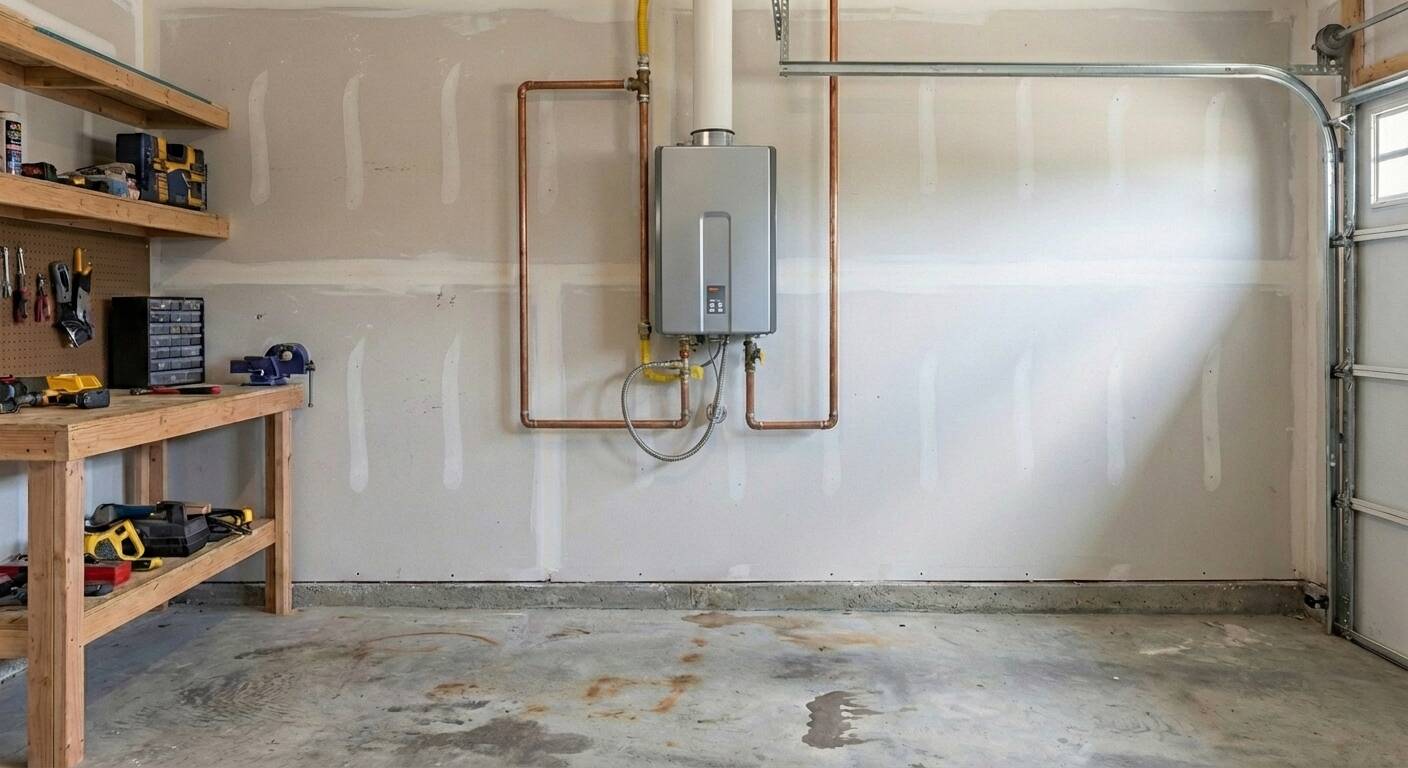
So here's the deal. If you're upgrading your home to cut costs and boost performance, that's smart. Just don't assume every house is ready for the switch. Every install should match your demand. Every decision needs to factor in flow rate, gas lines, and whether your electrical panel can handle the load. And every upgrade should be grounded in how your household actually uses water — not just what sounds good on a spec sheet.
Traditional heaters keep 40 or 50 gallons sitting hot around the clock. You use it or you don't — the burner still cycles. Tankless units flip that model. Cold water hits the heat exchanger only when a faucet opens. Gas or electric elements kick in, water heats instantly, and you get what you need without the standby loss.
That's the advantage most people miss. You're not paying to reheat the same water six times a day. You're not dealing with a tank that corrodes after a decade. And you're not gambling on whether there's enough hot water left when the third person hops in the shower. The system responds to demand in real time, and that changes how your home operates.
What Fort Smith Homeowners Gain
Switching to tankless isn't just about going modern. It's about matching your system to how you live. Fort Smith summers hit hard, and winters aren't exactly mild. Your water heater runs year-round, and inefficiency adds up fast. Tankless units cut that waste and give you control.
Here's what that looks like in practice:
- Lower energy bills because you're only heating water when it's actually being used
- No more cold showers halfway through because the tank ran dry
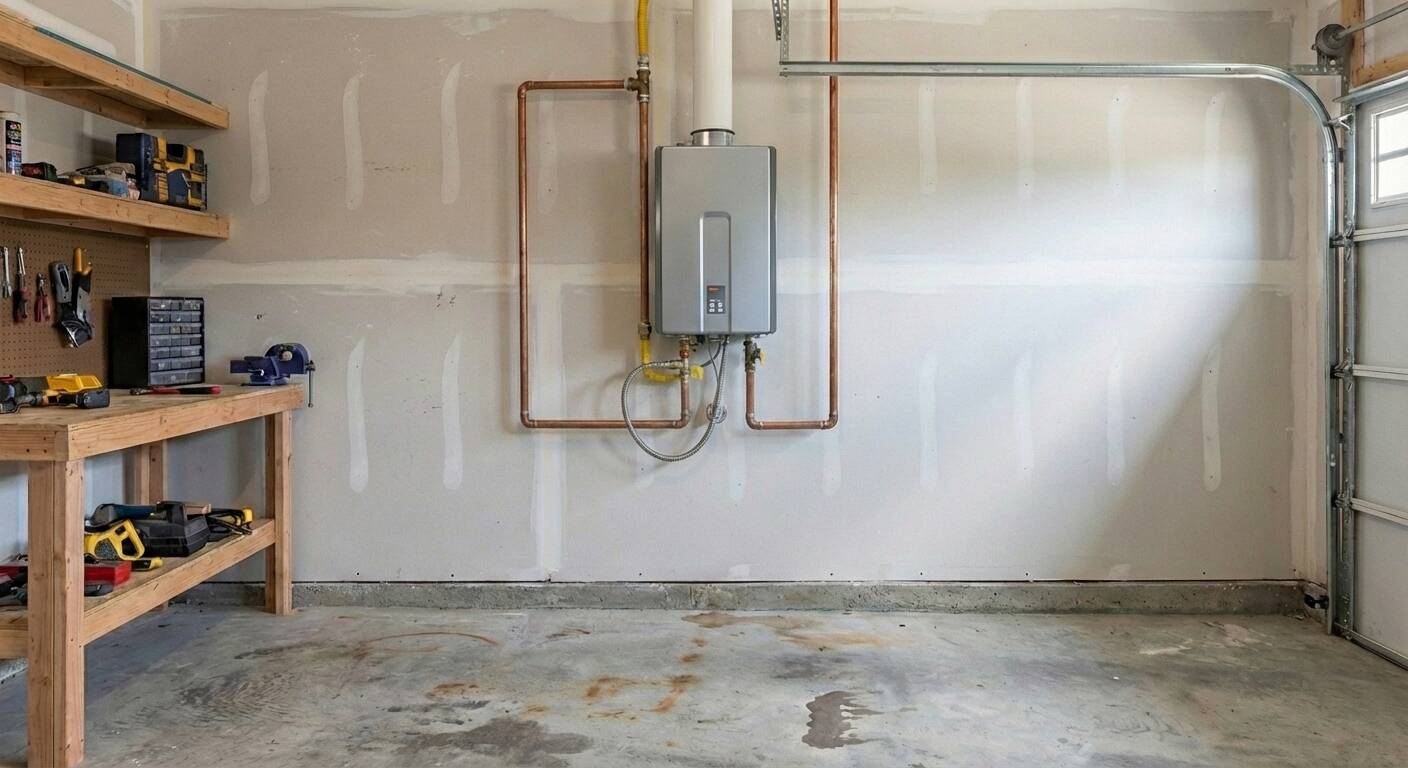
- Compact wall-mounted design that frees up floor space in your utility room
- Lifespan that can hit 20 years with proper care, compared to 10 or 12 for a tank
- Reduced risk of flooding from a corroded tank that finally gives out
The Upfront Investment Isn't Small
Tankless systems cost more to buy and install. That's not a secret. You're looking at a higher price tag than a standard 50-gallon tank, and installation can get complicated if your home wasn't built with tankless in mind. Older Fort Smith houses may need electrical upgrades or new gas lines to support the unit's demand.
But the math doesn't stop at installation. You'll recoup costs through lower monthly bills and fewer replacements over time. The Department of Energy puts efficiency gains at 24% to 34% for homes using moderate amounts of hot water. That's real money back in your pocket, especially if you're planning to stay in your home for the long haul.
Flow Rate Determines What You Can Run
Tankless heaters deliver endless hot water — but only up to their rated flow. If you're running two showers, a dishwasher, and a washing machine at the same time, a single unit might struggle. That's where sizing matters. A system rated for 5 gallons per minute won't keep up with a household that regularly pulls 8.
Here's how to think about capacity:
- Single bathroom homes can usually get by with a smaller unit
- Multi-bathroom households need higher flow rates or multiple units
- Simultaneous use patterns matter more than total daily consumption
- Gas models typically offer higher flow rates than electric
- Undersizing leads to lukewarm water and frustration
Hard Water Hits Tankless Systems Hard
Fort Smith water isn't the softest. Mineral buildup clogs heat exchangers and kills efficiency. If you don't flush your system annually, scale accumulates and performance drops. That's not a maybe — it's a guarantee. Tankless units need descaling, and skipping maintenance voids warranties and shortens lifespan.
Most manufacturers recommend professional flushing once a year. Some homeowners handle it themselves with a pump and vinegar. Either way, it's non-negotiable. Ignore it, and you'll be replacing components or the entire unit years ahead of schedule. That's money you didn't need to spend.
Installation Isn't Always Plug and Play
Swapping a tank for a tankless system isn't a one-hour job. Your home's infrastructure has to support the new unit's demands. Gas models need proper venting and adequate gas supply. Electric models can require panel upgrades and dedicated circuits. If your house was built before 2000, expect some additional work.
Here's what your contractor should check:
- Gas line size and pressure for gas-fired units
- Electrical capacity and breaker availability for electric models
- Venting requirements and clearance for combustion air
- Water pressure and flow rate at the main line
- Local codes and permit requirements in Fort Smith
When Tankless Makes the Most Sense
Not every home is a perfect fit. If you're in a small household with low hot water use, the savings might not justify the cost. If you're planning to move in two years, you won't see the payback. But if you're staying put, running a busy household, or tired of running out of hot water, tankless delivers.
We've seen it work best for families who value efficiency and hate wasted space. For homeowners who want to stop replacing tanks every decade. For anyone who's dealt with a flooded utility room because a tank finally rusted through. Those are the situations where tankless isn't just an upgrade — it's a solution.
The Numbers Have to Work for Your Home
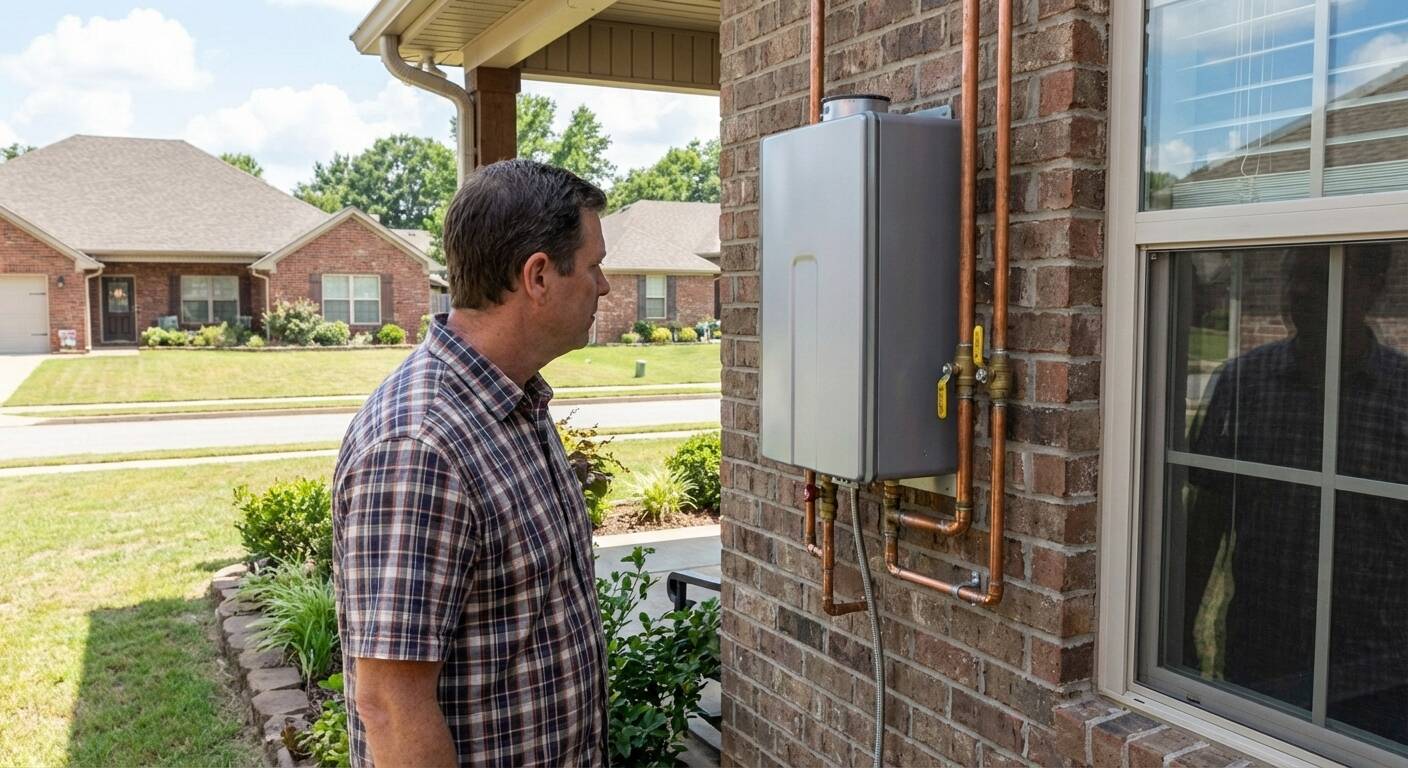
You can't guess your way through this decision. You need to know your peak demand, your budget, and what your home can handle. A licensed plumber can run the calculations and tell you what size unit fits your usage. They'll also flag any infrastructure issues before you commit.
Here's what to ask before you buy:
- What's the maximum flow rate we'll need during peak usage?
- Does our gas line or electrical panel need upgrades?
- What's the total installed cost, including permits and modifications?
- How often does this unit need maintenance, and what does that cost?
- What's the warranty coverage, and who handles service locally?
Maintenance Keeps the System Running
Tankless units aren't set-it-and-forget-it. They need annual flushing, filter checks, and occasional inspections. Hard water accelerates wear, and skipping service leads to breakdowns. Most manufacturers void warranties if you can't prove regular maintenance. That's not fine print — it's the deal.
Set a reminder. Budget for it. Treat it like an oil change. The system will last longer, run more efficiently, and save you from emergency repairs. That's the trade-off for going tankless. You get better performance, but you have to stay on top of upkeep.
Efficiency That Pays Off Over Time
Tankless systems aren't cheap, and they're not effortless. But they're built for homeowners who want control over their energy use and don't want to replace equipment every ten years. Fort Smith homes that make the switch see lower bills, better performance, and fewer headaches. That's not marketing — it's what happens when you match the right system to the right household and keep it maintained. If you're ready to stop reheating the same 50 gallons all day, water heater replacement with a tankless option is worth the look. For professional guidance on plumbing services and system inspections, contact a qualified contractor who understands Fort Smith homes.
Let’s Make Your Hot Water Work Smarter
We know how important reliable hot water is for your daily routine, and we’re here to help you find the right solution for your Fort Smith home. If you’re ready to explore the benefits of a tankless water heater or want expert advice on what fits your needs, let’s talk it through together. Give us a call at 479-222-1064 or schedule an appointment and let’s get your home set up for comfort and efficiency that lasts.
‹ Back
Recent Posts
-
Should You Add a Water Softener to Your Fort Smith Home?
April 1, 2026
-
Backflow Prevention Requirements for Fort Smith Businesses
March 18, 2026
-
-
Is a Tankless Water Heater Right for Fort Smith Homes?
February 18, 2026
-
How Often Should You Flush Your Water Heater in Fort Smith
February 4, 2026