


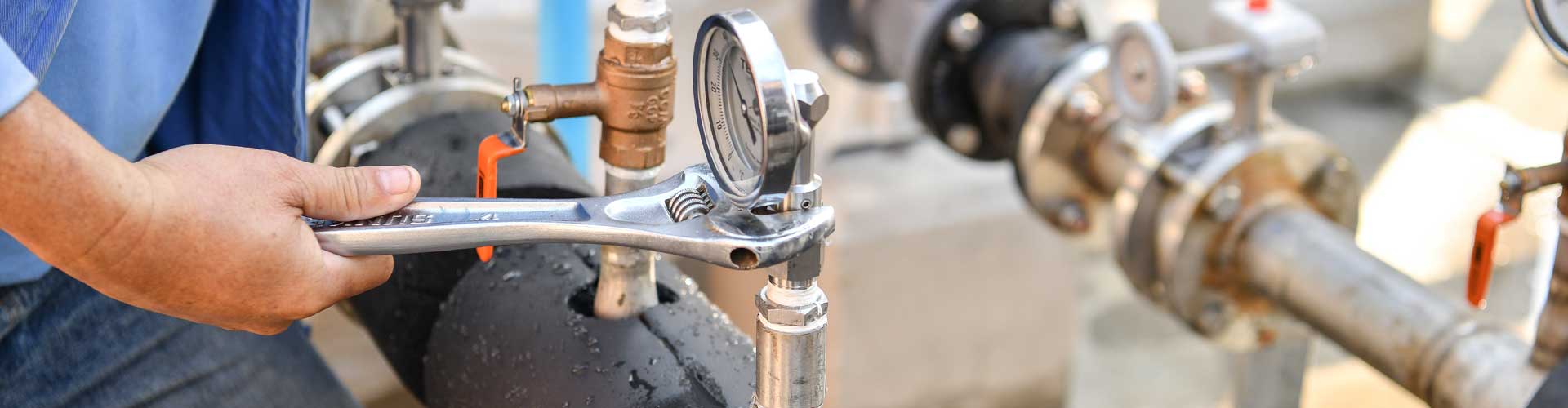
Should You Add a Water Softener to Your Fort Smith Home?
Fort Smith water doesn't play nice with your plumbing. The mineral content here runs high enough to leave residue on everything it touches — faucets, showerheads, dishes, even your skin. That's hard water doing what it does best: making life harder. Most homeowners notice the white buildup first. Then the soap that won't lather. Then the appliances that quit years too early. By that point, the damage is already done.
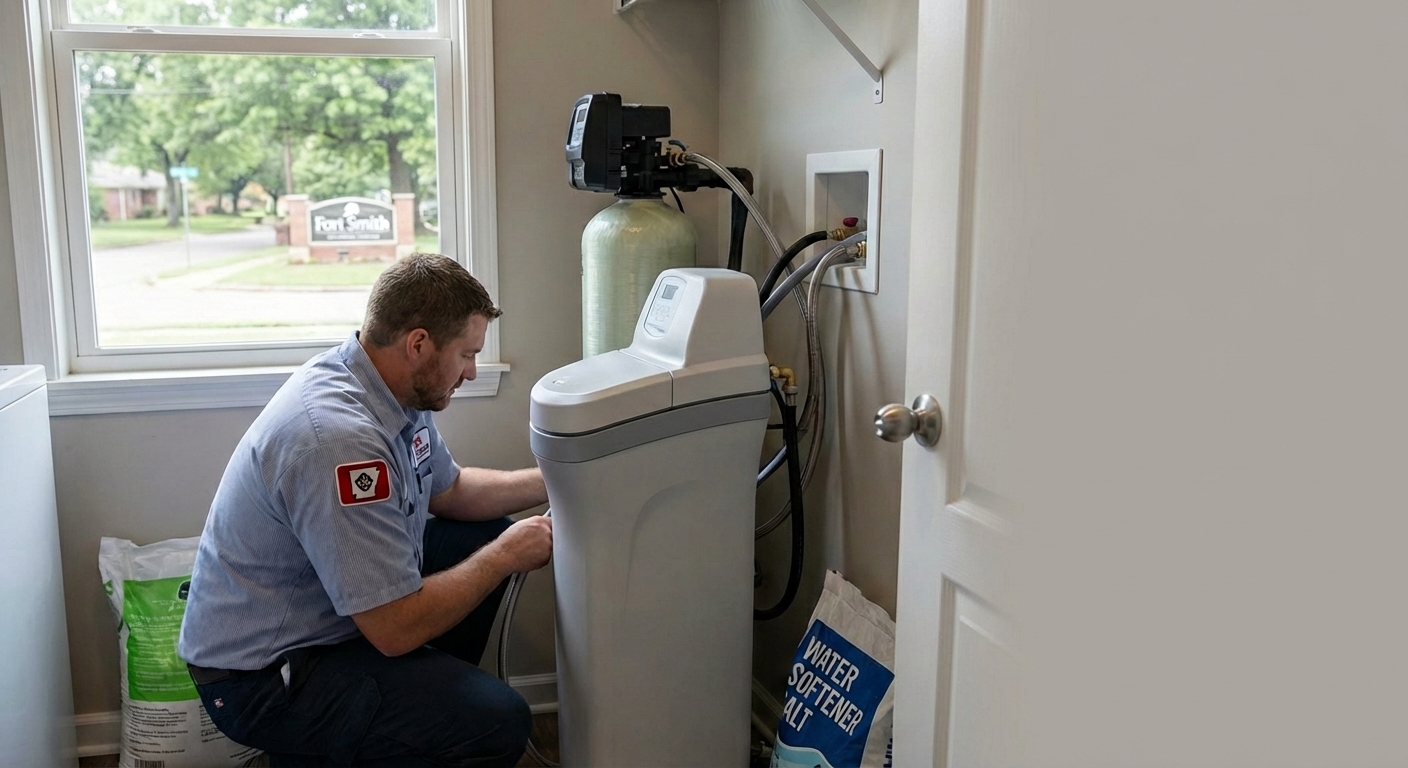
A water softener won't fix what's broken, but it will stop the cycle. It pulls out the calcium and magnesium before they can wreak havoc on your pipes and your wallet. The question isn't whether hard water is a problem in Fort Smith — it is. The question is whether you're ready to do something about it before the next repair bill shows up.
What Hard Water Actually Does to Your Home
Hard water isn't dangerous. It won't make you sick. But it will cost you money, time, and patience. The minerals dissolved in your water supply don't just disappear when you turn on the tap. They stick around. They accumulate. And over time, they create problems that compound faster than most people realize.
We're talking about scale buildup inside your water heater that forces it to work overtime. Clogged aerators that slow your water pressure to a trickle. Soap scum that turns your shower into a scrubbing project every week. And appliances that fail well before their expected lifespan because they've been fighting mineral deposits the whole time.
- Crusty white deposits on faucets and showerheads that won't wipe off
- Glassware that comes out of the dishwasher looking cloudy and streaked
- Water heaters and washing machines that break down years ahead of schedule
- Skin that feels tight and dry no matter how much lotion you use
- Pipes that narrow over time as scale builds up inside the walls
How Softeners Strip Out the Minerals
Water softeners work through ion exchange. The system swaps out calcium and magnesium ions for sodium or potassium ions. What comes out the other side is water that behaves the way it should — no residue, no buildup, no fight with your soap.
Installation ties into your main water line, so every drop that enters your home gets treated. Once it's running, you won't have to think about it much. Just keep the salt tank filled and let the system do its job. The difference shows up fast — cleaner dishes, softer towels, appliances that actually last.
Why Softened Water Pays Off
The upfront cost of a water softener stings a little. But the return on that investment shows up in ways most people don't track until it's too late. Appliances last longer. Energy bills drop. Cleaning time gets cut in half. And your plumbing stops fighting a losing battle against mineral buildup.
We've seen water heaters gain years of life just by switching to soft water. Same with dishwashers and washing machines. The scale that would normally choke them out never gets the chance to form. That's not just convenience — that's real money staying in your account instead of going to repair techs and replacement units.
- Appliances run longer because they're not clogged with mineral deposits
- Energy costs drop when your water heater isn't working through a layer of scale
- Soap and detergent actually work, so you use less and get better results
- Skin and hair feel softer without the mineral film coating everything
- Cleaning becomes faster because there's no constant battle with soap scum and hard water stains
The Downsides You Need to Know
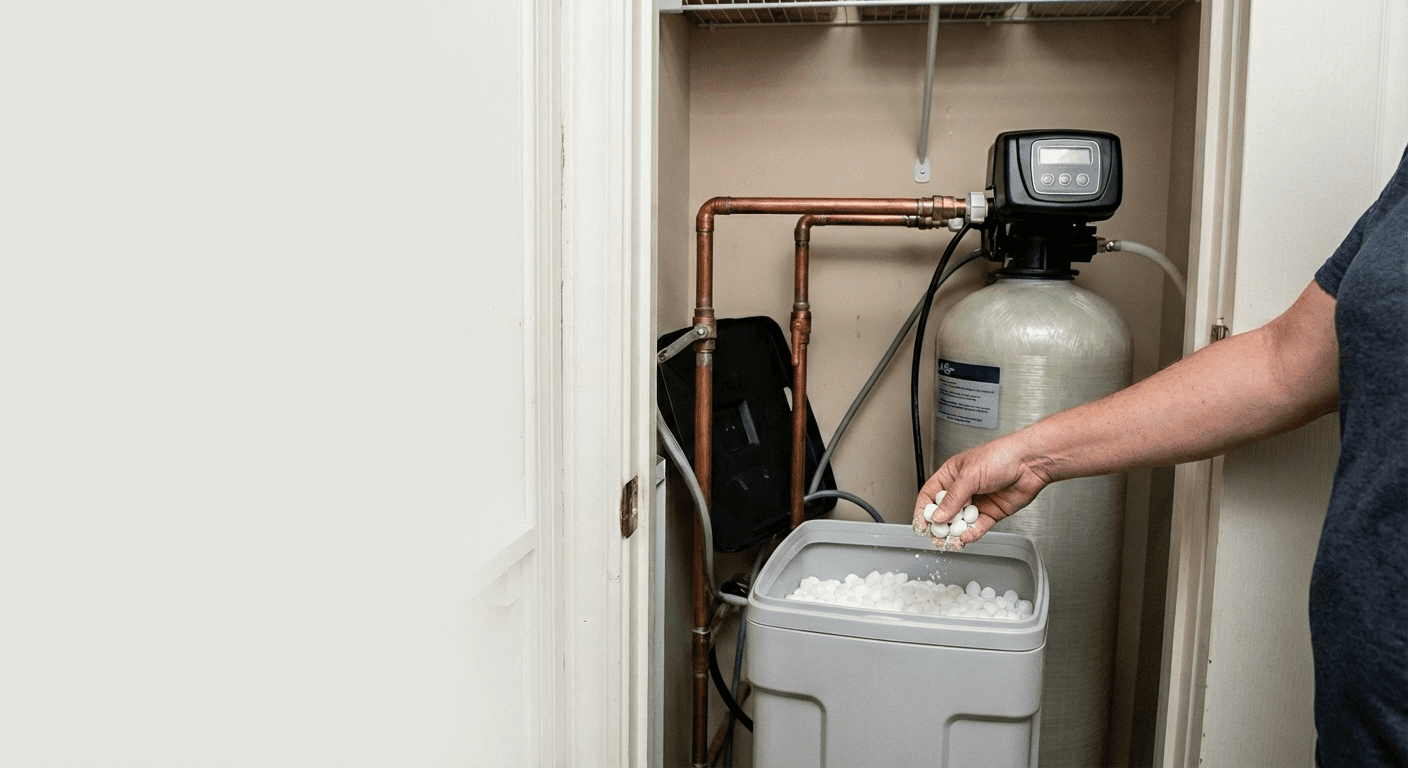
Water softeners aren't perfect. They require maintenance. They add a small amount of sodium to your water. And they come with an upfront price tag that makes some homeowners hesitate. If you're on a strict low-sodium diet, you'll want to talk to your doctor before installing one — or consider a potassium-based system instead.
There's also the environmental angle. The salt discharge from these systems can increase sodium levels in wastewater, which some municipalities are starting to regulate. And you'll need to stay on top of refilling the salt tank and cleaning the resin bed periodically. Skip that, and the system stops working the way it should.
- Installation and equipment costs can run into the hundreds or thousands depending on the system
- Regular maintenance means refilling salt and occasional resin cleaning
- Sodium gets added to your water, which may matter if you're watching your intake
- Wastewater discharge can contribute to environmental concerns in some areas
Testing Your Water Before You Decide
Don't guess about your water hardness. Get it tested. Most plumbing companies in Fort Smith will do it for free or close to it. The results will tell you exactly how hard your water is and whether a softener makes sense for your situation.
If your hardness level is moderate to high, the case for a softener gets stronger. If it's borderline, you might be able to get by with targeted solutions like a showerhead filter or a descaling agent for your water heater. But if you're dealing with severe hardness, a whole-home system is the only move that actually solves the problem.
- Free or low-cost water testing from local plumbing companies
- Hardness levels measured in grains per gallon to determine severity
- Professional recommendations based on your specific water chemistry
- Options for whole-home systems or point-of-use filters depending on your needs
Making the Call for Your Home
If you're already dealing with frequent appliance repairs, constant cleaning, or skin that feels like sandpaper after every shower, a water softener isn't a luxury — it's a fix. The investment pays for itself in saved time, lower energy bills, and appliances that don't quit halfway through their expected lifespan.
Fort Smith water is what it is. You can't change the mineral content coming out of the ground. But you can change what happens to it before it hits your pipes. A softener gives you control over water quality in your home, and that control translates into fewer headaches and more money in your pocket over the long haul. Get your water tested, talk to a pro, and make the call based on what your home actually needs — not what you hope you can get away with ignoring.
Let’s Make Your Water Work for You
We all want a home that runs smoother and lasts longer, and it starts with the water we use every day. If you’re tired of fighting hard water and ready for a real solution, let’s talk about what a water softener can do for your Fort Smith home. Give us a call at 479-222-1064 or schedule an appointment—we’re here to help you enjoy cleaner, softer water and fewer plumbing headaches.
‹ Back
Recent Posts
-
Should You Add a Water Softener to Your Fort Smith Home?
April 1, 2026
-
Backflow Prevention Requirements for Fort Smith Businesses
March 18, 2026
-
-
Is a Tankless Water Heater Right for Fort Smith Homes?
February 18, 2026
-
How Often Should You Flush Your Water Heater in Fort Smith
February 4, 2026